
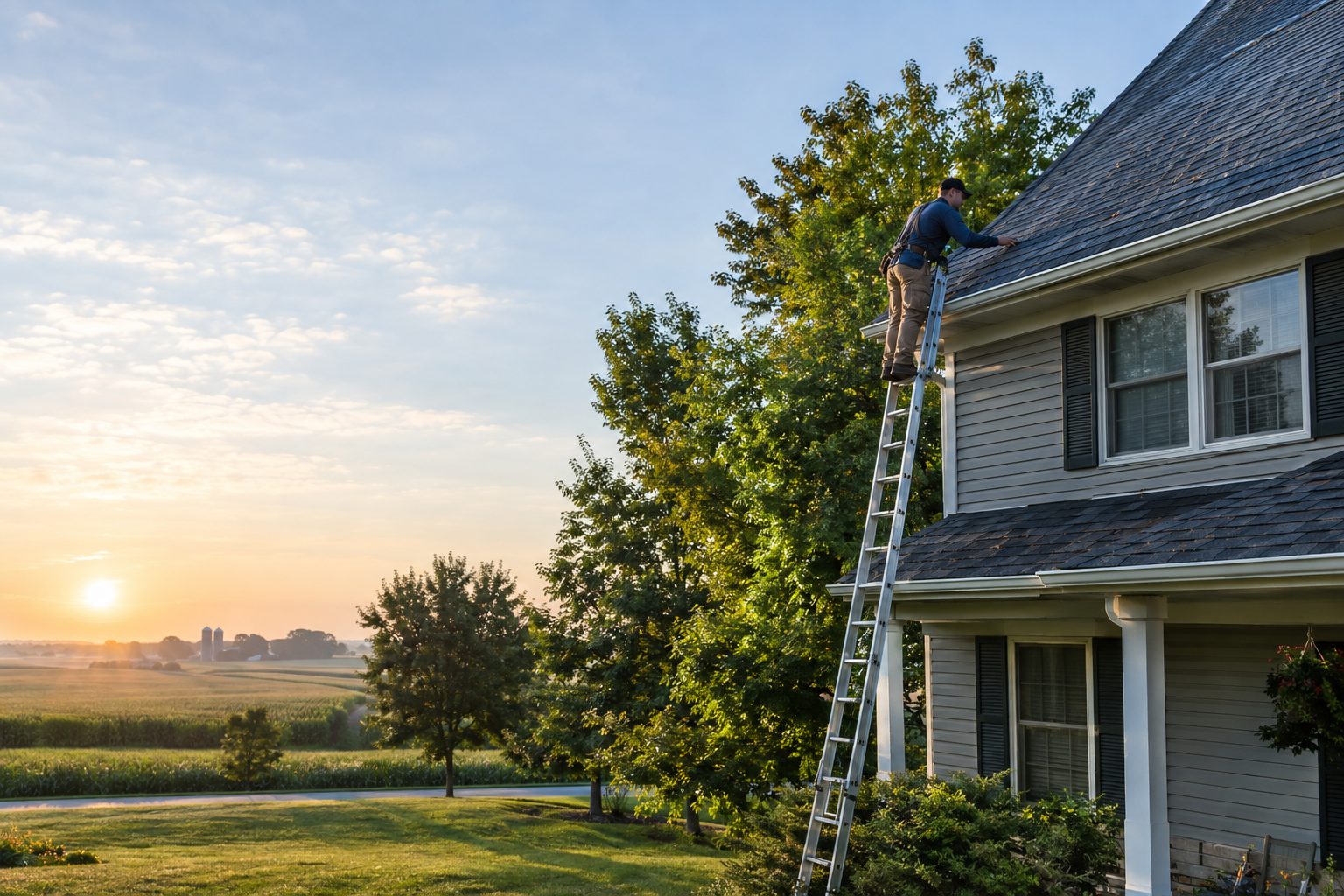
Cedar Falls weather can put shingles, flashing, gutters, and roof edges to the test. Find local roofing professionals for inspections, repairs, and replacement quotes.
Call now Get a quoteRoofs in Cedar Falls must withstand more than typical rainfall. Hail and strong winds can loosen shingles or bruise their surfaces, while heavy snow and ice can stress roof edges and contribute to ice dams. Some roofing trouble is visible from the yard, while other issues become apparent later through a ceiling mark or moisture in the attic. A careful inspection can help identify trouble before it spreads. This referral website helps homeowners describe their roofing needs and connect with local contractors who work in Cedar Falls and the surrounding area.
Cedar Falls has both older homes in established areas and newer builds, which means roofing requirements vary by property. A contractor may need to consider the roof’s slope, existing layers, attic ventilation, flashing, and the condition of the decking beneath the shingles. A leak near a chimney or roof valley may call for a different repair than wind-lifted shingles along an exposed edge. Sharing what you have noticed, along with photos if available, gives a roofing crew useful context before it prepares an estimate.
Use the quote form to explain whether you need routine maintenance, a storm assessment, a repair, or a full replacement. You can also ask about gutters, ventilation, and the materials proposed for the job. The contractors you connect with can review the roof and describe the work they recommend; estimates and availability depend on the project and the contractor. Compare written scopes rather than looking at a single total. Clear details about removal, materials, flashing, cleanup, and any suspected deck repairs make it easier to understand what each proposal includes.
Cedar Falls sits beside Waterloo, and the area shares the seasonal weather challenges that can affect roofs across the Cedar Valley. Hail can leave marks on shingles and metal components, while high winds may lift or crease roofing near ridges and roof edges. Snow that melts and refreezes can build up along eaves, especially when attic airflow or insulation needs attention. After storm season, a ground-level look may reveal missing shingles or debris, but a qualified inspection is safer and more useful than walking on a roof yourself.
The mix of older homes and newer builds in Cedar Falls means no single repair approach fits every roof. Older roofing may have several layers or flashing details that need careful evaluation; newer homes can still develop leaks around penetrations, valleys, or gutters. Mature trees can drop branches and leaves, and clogged drainage may let water linger where it should flow away. Tell the contractor about ceiling stains, damp attic areas, or recent storm damage, even if the roof looks intact from the street. Those details help focus the inspection.
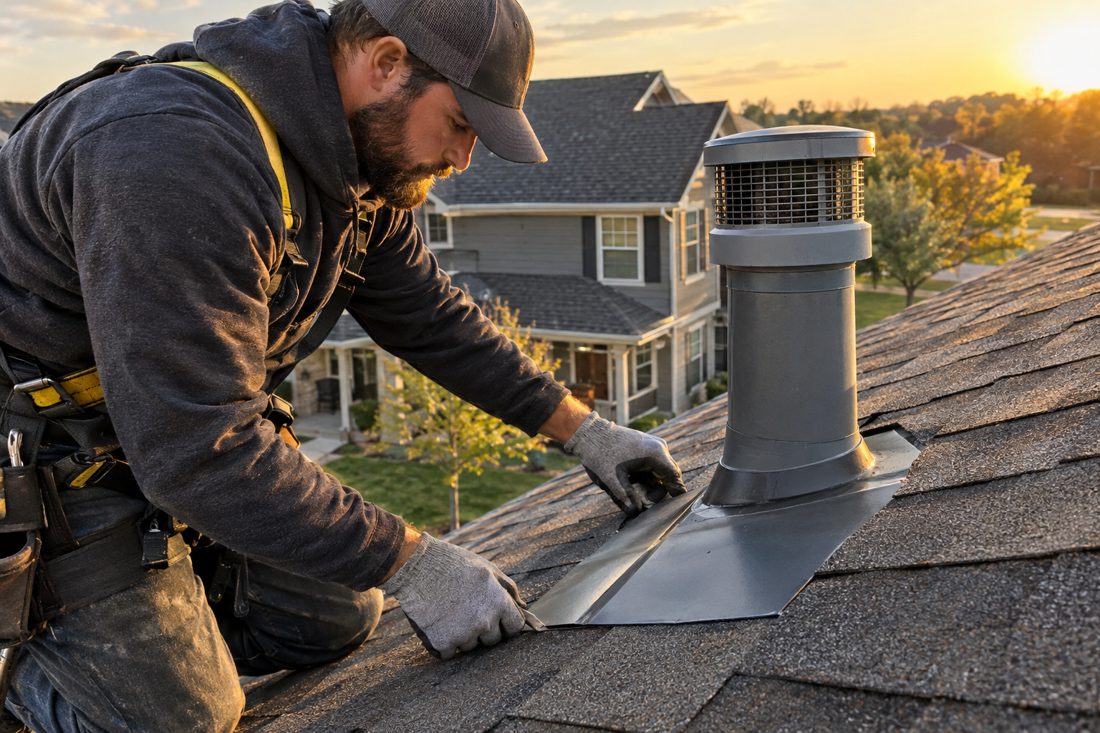
A roofing expert can examine the shingles, flashing, vents, valleys, and roof perimeter for signs of wear or damage. Following hail or strong winds, an inspection can record visible issues and clarify whether repairs, further monitoring, or a replacement quote may be appropriate.
Water may spread from its point of entry before a stain appears inside. A roofer can investigate around chimneys, vents, valleys, and other transitions, then explain the repair needed. Prompt attention may limit additional damage to roofing materials and the home.
If a roof is worn or storm-damaged, contractors can outline replacement materials and the work involved. Ask how old layers, underlayment, flashing, ventilation, and possible decking repairs are handled. A written scope helps you compare proposals for your Cedar Falls home.
Gutters carry water away from the roof, while attic ventilation helps manage heat and moisture beneath the roof deck. A crew can check for blocked drainage, damaged gutter sections, or ventilation concerns and explain which items belong in the roofing project.
A new architectural asphalt shingle roof for a typical single-family home usually costs $9,000 to $18,000. The estimate depends on the roof’s size and slope, how many existing layers need removal, and whether that work uncovers damaged decking. The written project plan may differ according to the flashing, ventilation, site access, and cleanup involved. Choosing impact-resistant Class 4 shingles may add about 10 to 25 percent to the cost of a new roof. Ask your insurance company whether your policy offers discounts; eligibility and savings vary. Depending on the leak’s location and extent, a small repair often costs between $300 and $1,200. For a storm claim, confirm coverage and deductible terms directly with your insurer.
After hail or strong winds, arrange a roof inspection even if you see no missing shingles from the ground. A contractor can check roofing and related components for visible damage and document findings. Stay off the roof and ask your insurer which steps to take for a claim.
Active water entering the home, a growing ceiling stain, or dampness in the attic deserves prompt attention. If it is safe, move your belongings away from the affected area and note when and where you first noticed the problem. A roofer can trace the source, since water may travel before it appears indoors.
Yes. Have each contractor provide a written scope that lists materials, removal of existing roofing, flashing, ventilation, cleanup, and how unexpected roof-deck damage will be handled. Check that the proposals cover the same work before comparing totals. You can also ask questions about warranties and payment terms, then review those details alongside the scope.
Describe your roof, the damage you have noticed, and any recent storm activity so area contractors can better understand your project.