
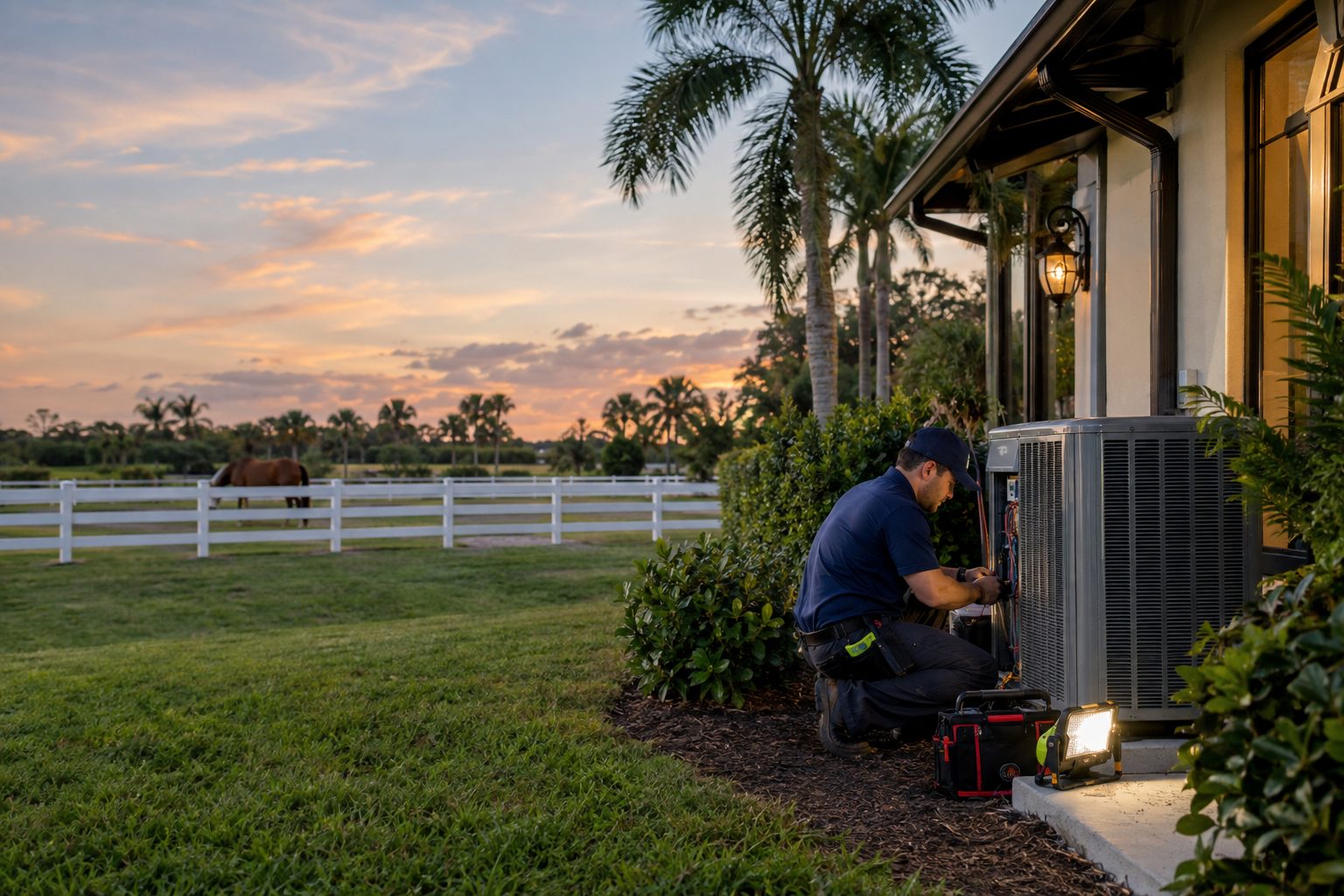
Keep your home comfortable through Wellington’s long, humid cooling season with help from vetted local HVAC pros. When you request an estimate, explain what’s going on, and we’ll connect you with a local team ready to help with the next step.
Request a quoteIn Wellington, an air conditioner has a long working season. Hot afternoons, sticky humidity and warm nights can keep a system running for hours, so small changes in performance are worth noticing. Maybe a room takes longer to cool, the unit cycles more often, or the house feels damp even when the thermostat looks right. A Wellington-area HVAC technician can examine the equipment, walk you through the findings, and help weigh a repair against routine service or a more substantial upgrade.
Homes around Wellington vary in size and layout, and that affects how heating and cooling equipment should be selected. Larger homes may benefit from zoning, which lets different areas use separate temperature settings, or from high-efficiency equipment sized for the home’s actual needs. A system that is too large or too small can struggle to manage comfort and humidity. Pros can consider the equipment, ductwork, insulation and how you use the rooms before recommending a change.
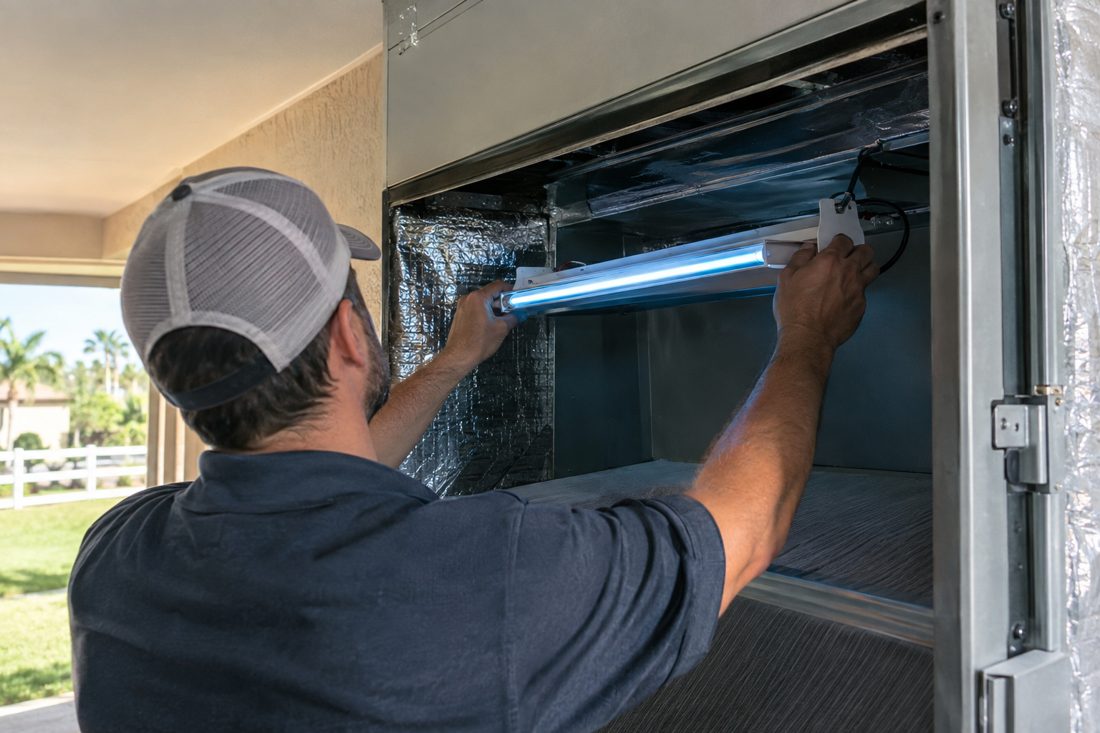
The right service depends on the problem. A repair may be all that’s needed when a component fails, while recurring uneven temperatures can point to airflow or duct concerns. Seasonal maintenance can help identify wear before the hottest weather, and indoor air quality options may be useful if dust, odors or excess moisture are bothering your household. Smart thermostat installation can also make schedules easier to manage, especially when different family members use different parts of the home.
This referral service helps Wellington homeowners find local HVAC contractors whose credentials have been reviewed. Describe your project in the quote form, including any symptoms, equipment details you know and whether you’re looking for repair or replacement options. The service area includes ZIP code 33414 and nearby communities. A matched pro can discuss the work, inspect the system when needed and provide details about scope and price before you decide how to proceed.

When cooling turns warm, water escapes, strange noises start, or the unit won’t run, an HVAC technician can diagnose the probable problem. Repairs may involve electrical parts, drainage, refrigerant-related issues or other components. The technician should explain what needs attention and provide a repair estimate before work begins.
When equipment is aging, unreliable or poorly matched to the home, local pros can assess replacement options. They can compare central air conditioners and heat pumps, review system size and efficiency, and account for existing ductwork. For larger Wellington homes, zoning may help address different comfort needs across separate areas.
A maintenance visit gives a pro the chance to check key system functions, inspect accessible components and look for signs of wear. Regular service is especially useful before the cooling season puts equipment under heavier demand. Maintenance plans are available through some providers, with details and included visits varying by plan.
Air leaks, damage, or poor duct balancing may leave rooms at different temperatures and allow cooled air to go to waste. A pro can check accessible ductwork, discuss repair or sealing needs and assess whether cleaning is appropriate. Cleaning is not a substitute for fixing leaks or addressing a moisture source, so ask what the inspection shows.
If indoor air feels stale, dusty or persistently humid, a pro can review filtration, ventilation and moisture-control options that work with your HVAC system. What makes sense will depend on the underlying issue and the type of HVAC equipment you have. Ask for a clear explanation of what a proposed product can and cannot do.
With a smart thermostat, you can program routines, change settings from afar, and monitor how your home cools. Before installation, a pro can check that the thermostat is compatible with your system and explain its features. In a zoned home, controls should be planned as part of the overall equipment setup.
If smoke, an electrical danger, or a burning odor appears, shut down the HVAC system and note the problem in the quote request. For less urgent problems, note when the symptom happens and which rooms are affected so the pro has useful details to start with.
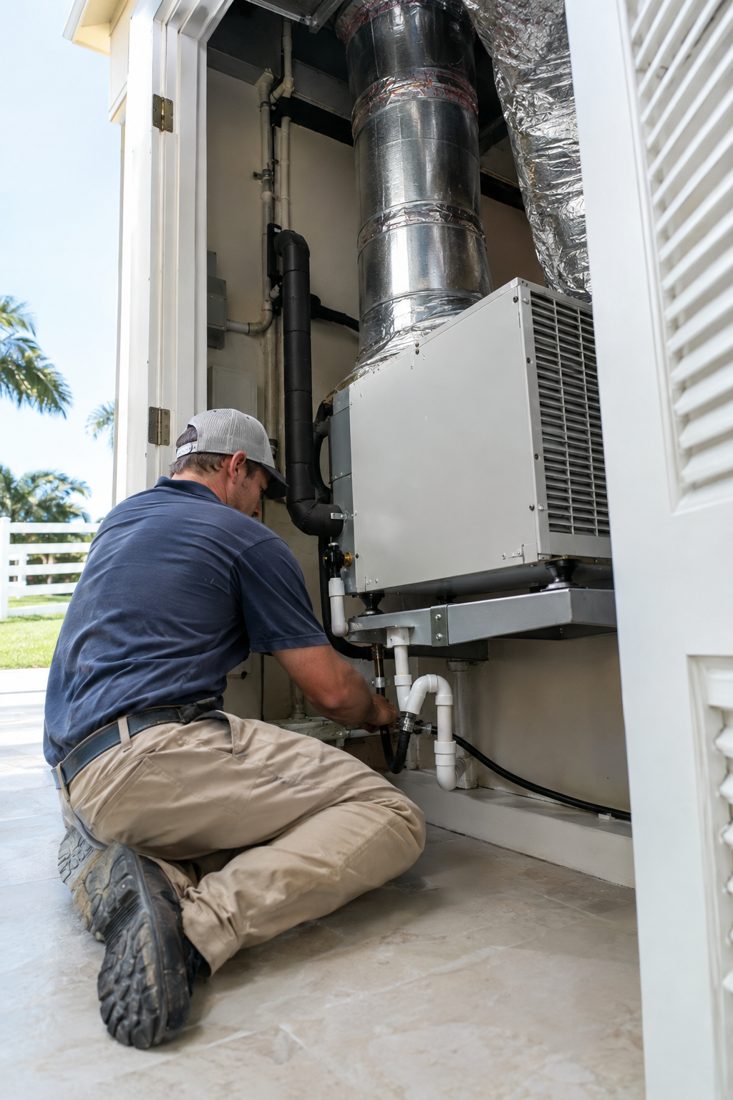

Local AC repairs typically cost around $150 to $650. The total depends on what has failed, how easy the part is to access and whether the repair involves additional work. Expect major component work, including a compressor or coil, to cost $1,500 to $3,500. Treat these amounts as ballpark guidance; an on-site evaluation and a written quote are needed for a firmer price. Ask the pro to identify the problem, list the proposed work and explain whether any related parts or labor are included.
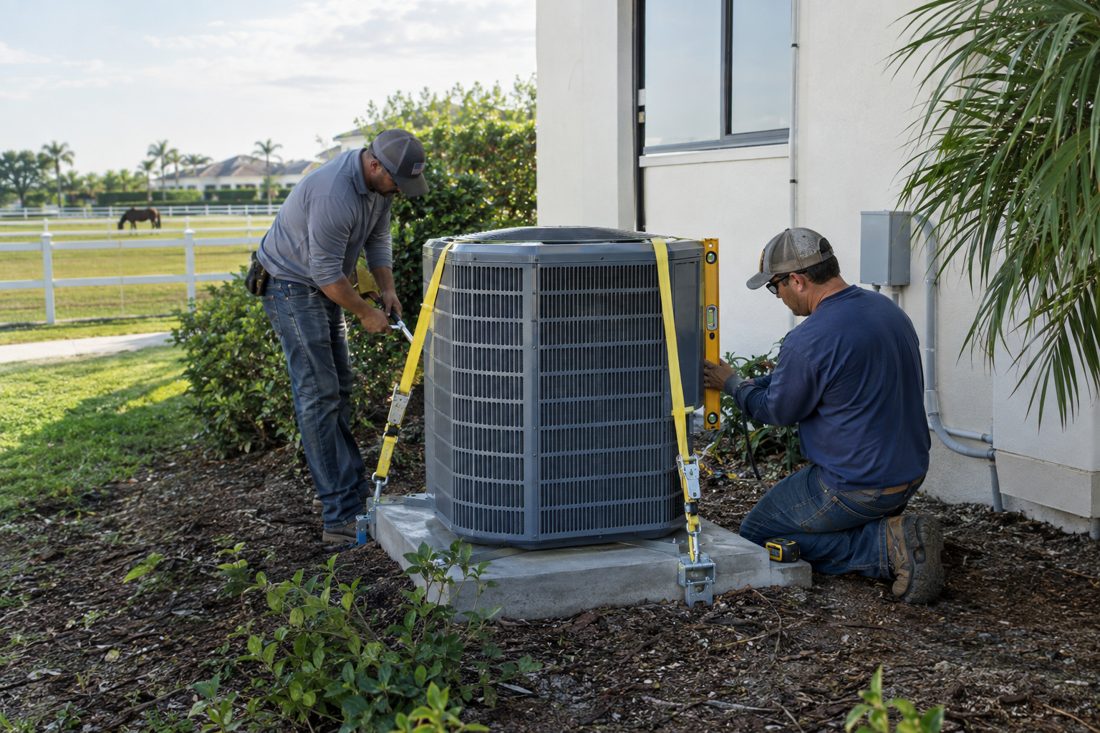
Replacing the central air conditioner or heat pump in an average home often falls between $7,000 and $14,000. Home size, equipment efficiency, system capacity and the condition of the existing ductwork can all affect the price. Maintenance plans usually run $150 to $300 per year, though providers may include different visits or services. Incentives such as rebates and federal tax credits may reduce the price of high-efficiency equipment, but qualifications and terms can change. Confirm current requirements before counting a discount in your budget.
The referral service is designed to connect homeowners with vetted local pros who serve Wellington and nearby communities. Share the project details once, then discuss the specific work directly with the matched provider.
From a straightforward repair to a whole-home equipment change, the request can reflect the layout and comfort concerns that matter in your house. That context helps frame a useful conversation with a pro.
Describe the current problem or upgrade you have in mind through the quote form. An area contractor can go over the project, clarify which items should be checked, and quote the work you’re considering.
As summer heat peaks, make sure furniture, rugs, and drapes aren’t covering the supply registers and that each one is open. Follow the filter maker’s guidance for cleaning or replacement, adjusting for household conditions. A filter that gets dirty fast may call for more frequent cleaning or replacement, especially in homes with pets, remodeling debris, or lots of HVAC use. Keep a note of when you change it. If airflow remains weak after these simple checks, mention the affected rooms in your quote request rather than assuming the equipment itself is the only cause.
Humidity deserves attention in South Florida. If the house feels clammy while the AC is running, look for patterns: does it happen in every room, mostly upstairs, or after the system has been off for a while? Persistent moisture can have more than one cause, including airflow, equipment sizing or drainage concerns. Avoid turning the thermostat unusually low as a workaround without understanding the issue. Tell the pro what you have noticed and when it occurs, and ask how the suggested solution will address both temperature and moisture.
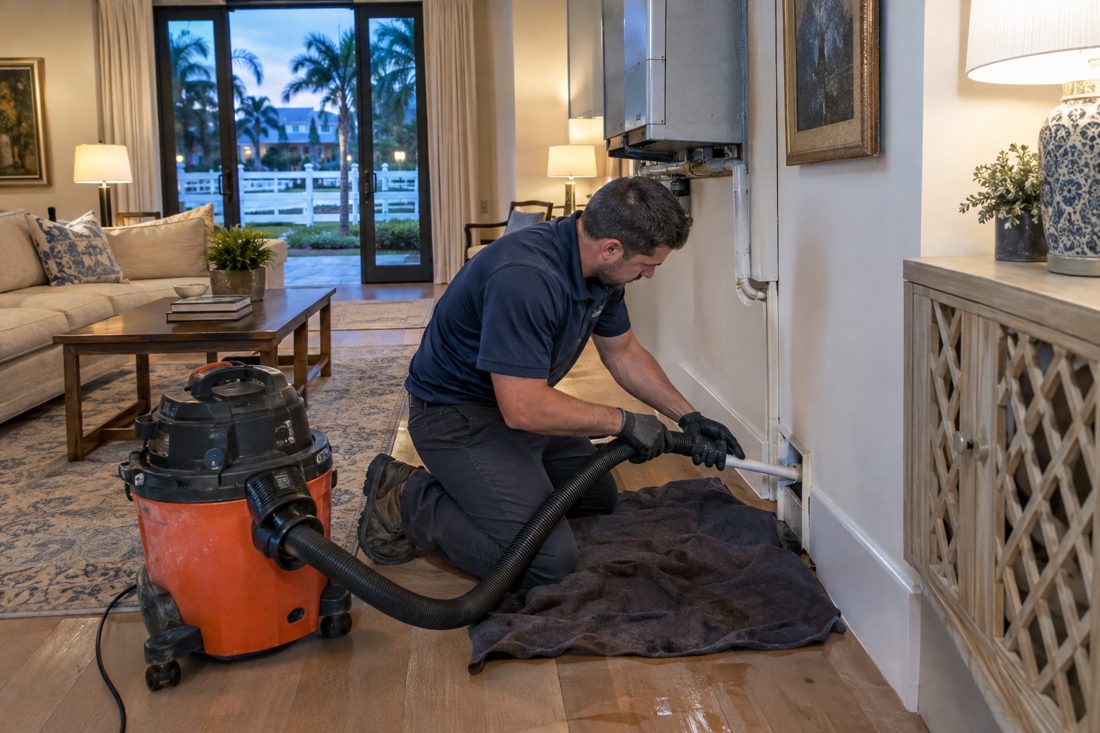
For a larger home, comfort problems can follow the floor plan. A sunny room, closed-off wing or frequently used upstairs area may need different attention from the rest of the house. Zoning can offer separate control for areas of a home, but it needs to be planned for the equipment and duct system rather than added as a generic fix. When discussing replacement, describe which rooms are used most and where temperatures vary. A pro can consider zoning alongside correct sizing, duct condition and equipment efficiency.
Wellington’s rainy and stormy periods can leave leaves and other debris around outdoor equipment. From a safe position on the ground, keep the area around the unit clear and look for obvious damage after severe weather. Do not open electrical panels or move equipment yourself. Before storm season, ask a pro whether any system-specific preparation is appropriate, and follow the equipment manufacturer’s guidance. If the unit is damaged, stops working or develops an unusual sound afterward, include the timing and visible symptoms in your quote form so the issue can be assessed.
Local pros may serve Wellington as well as nearby Royal Palm Beach, Loxahatchee, Greenacres and Lake Worth. Add your neighborhood and ZIP code to the quote request so the service area can be checked.
Start with an inspection and a written explanation of the issue. A repair may make sense for a contained problem, while repeated breakdowns, poor comfort or a major component failure may prompt a replacement discussion. Ask the pro to compare the likely repair scope with replacement options, including efficiency, system size and the condition of your ducts.
A typical AC repair runs $150 to $650. More extensive jobs, including compressor or coil replacement, typically run from $1,500 to $3,500. Your final cost varies according to the diagnosis, required components, and labor. Request an estimate that identifies the work and any related charges before approving a repair.
Replacing the central air conditioner or heat pump in an average home often falls between $7,000 and $14,000. Equipment size and efficiency, home layout and ductwork can change the quote. For a larger home, ask how the proposal accounts for different comfort zones and whether existing ducts need work.
A maintenance plan can make seasonal service easier to keep on schedule, particularly before heavy cooling demand. Plans usually run $150 to $300 per year, but the visits and included tasks vary. Review what is covered, whether repairs are extra and when the provider recommends scheduling each visit.
It may help when different parts of a home have different schedules or comfort needs. Zoning uses separate controls for designated areas, but the system must be designed to work with the equipment and ductwork. Ask a pro to assess the layout and explain whether zoning is appropriate for your home.
Recently installed high-efficiency systems may qualify for rebates or federal tax credits that reduce your costs. Program terms, qualifying products, and eligibility rules can change. Ask the pro which equipment may qualify, then verify current program rules before making a purchase decision. Do not assume an incentive applies until you confirm the terms.
Use the quote form to describe your HVAC concern or planned project in Wellington. Add your ZIP code, the rooms affected and any equipment details you have. A local pro can follow up about the request and discuss the next steps.