
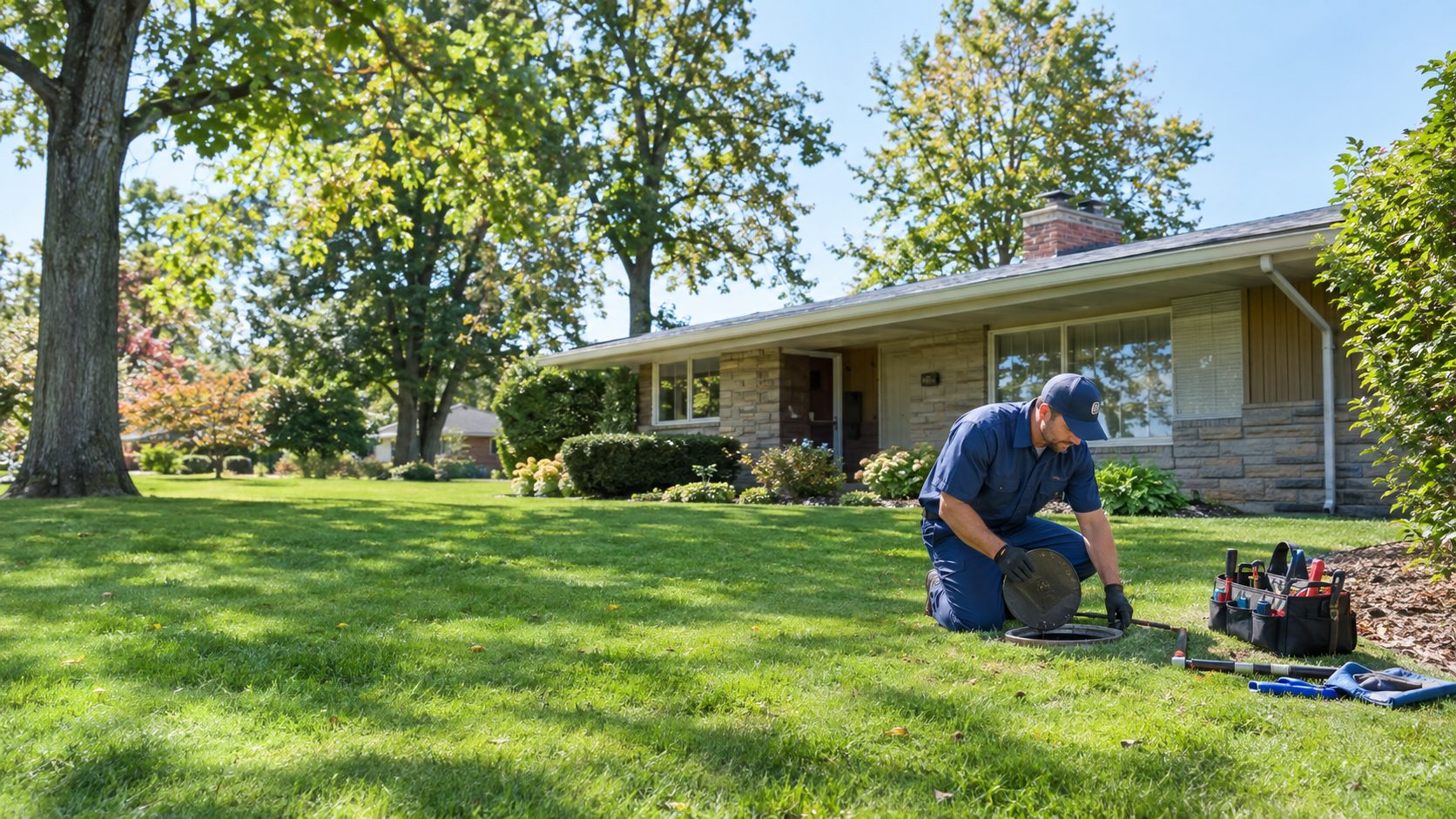
From a dripping fixture to a slow main drain, plumbing problems can interrupt the day. Fill out the quote form to be matched with a licensed plumber serving Moraine.
Request a QuotePlumbing issues can develop slowly, with signs such as dampness under a sink, a slow-draining basin, or unusual sounds from the water heater. Homes in Moraine, OH range in age; some have plumbing parts that are decades old, and renovations in newer homes may combine older and newer materials behind walls or beneath floors. Before starting work, a licensed plumber can examine the symptoms, explain possible causes, and go over ways to repair the problem.
This referral site helps Moraine homeowners find local licensed plumbers for everyday fixes and more extensive plumbing problems. In the form, describe the problem, where you see it, and whether it has been getting worse. Mentioning a clog that keeps returning, water near the heater, or unusual pressure changes can help an area plumbing technician decide what to check. The plumber can confirm the cause and recommend a suitable next step.
Some problems are straightforward, such as replacing a worn fixture or clearing a local drain blockage. Others call for a closer look, especially if several drains are slow, a leak keeps returning, or there are signs of trouble in a sewer line. Because Moraine homes differ in age and plumbing history, the appropriate fix depends on pipe condition and how accessible it is. Ask for the findings and a written estimate before approving work, particularly if the proposed repair involves opening a wall, floor, or yard.
Moraine sits within the greater Dayton area, where homes range from established mid-century houses to more recent construction. Some older homes in Dayton communities near Kettering may still have original clay sewer lines and cast iron drains nearing the end of their useful life. Similar age-related concerns can be worth checking in Moraine properties, especially when drains clog repeatedly or sewer symptoms show up in more than one fixture. With a camera, a plumber can view the inside of a line rather than make an educated guess about its condition.
Southwest Ohio weather also puts plumbing through seasonal changes. Freezing temperatures can threaten exposed pipes, and periods of heavy rain may make drainage or sewer problems more noticeable. Soil movement and mature landscaping can complicate access to buried lines, while tight utility spaces in older houses may affect repair time and approach. Add information to the quote form about damp spots, sewer smells, drains that bubble, or a water-use increase without an obvious cause. A nearby plumber can assess the issue and explain what needs attention.
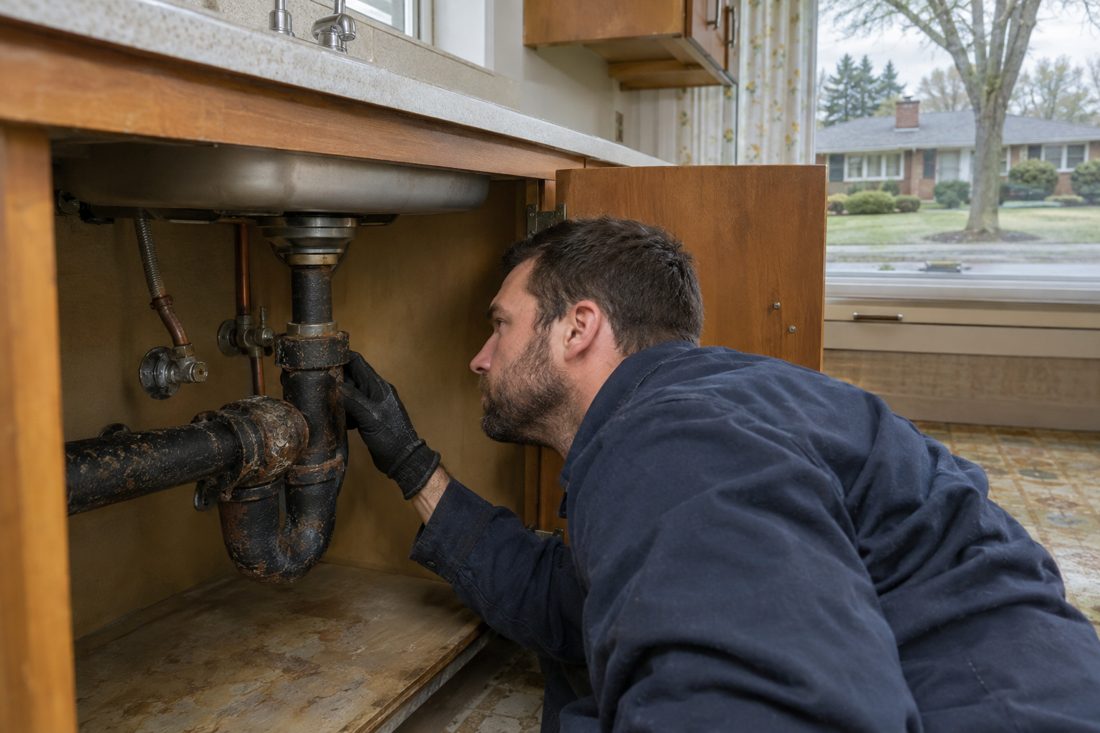
A persistent drip or hidden leak can damage cabinets, flooring, and nearby finishes if it goes unchecked. After checking exposed fittings, fixtures, and piping that can be reached, a plumber can suggest a fix based on what is causing the issue. In the quote form, note where you found moisture and when it first appeared.
One slow sink may have a clog close to the fixture, but recurring clogs or problems in several drains can point to a blockage deeper in the system. A local technician can assess the symptoms, clear stubborn buildup, and decide if a camera inspection of the home’s drain line is useful.
Arrange an evaluation of the water heater if hot water varies, the tank has a leak, or the unit makes unusual sounds. A licensed plumbing professional can assess the unit and review whether fixing it or replacing it makes sense. When planning to install a new system, find out whether the estimate covers the equipment, labor, and any changes needed for installation.
Sewer trouble, worn fixtures, and aging supply pipes each call for a different approach. A plumber may use a camera to check the sewer pipe, replace a faucet or toilet, or install new piping where the old pipe has worn out. The recommended scope depends on the material, condition, access, and extent of the problem.
The final cost depends on the problem, access to the affected area, and any additional damage discovered during diagnosis. A minor repair during a routine service appointment may run about $150 to $450. A main drain clearing often costs $200 to $600, and a camera inspection may add $150 to $350. Putting in a conventional 40- to 50-gallon tank water heater usually runs $1,500 to $3,500, compared with $3,000 to $6,500 for a tankless unit. Minor sewer repairs may start near $1,500, whereas a full line replacement can reach $10,000 or more. These are broad price estimates, not a quote for your particular home. Request an itemized price before authorizing work.
Repeated backups, several slow drains, gurgling sounds, or sewer odors may justify a closer look. These signs do not confirm a damaged line, since other blockages can cause similar symptoms. A plumber can assess the pattern and may recommend a camera inspection to check the pipe's condition before suggesting a repair.
They can be, especially if original pipes are decades old or symptoms keep returning. Age alone does not show that a line has failed, and the condition can vary from house to house. A plumber can inspect the accessible plumbing and use a sewer camera when needed to identify cracks, buildup, or other trouble.
Describe the fixture or area involved, what you have observed, and when the problem began. Mention whether it happens repeatedly, affects multiple drains, or includes leaking, odors, or changes in hot water. The home's estimated age and details of past plumbing work can be useful to share as well.
Describe the problem, its location, and the signs you have noticed so a licensed plumber can review your request.