
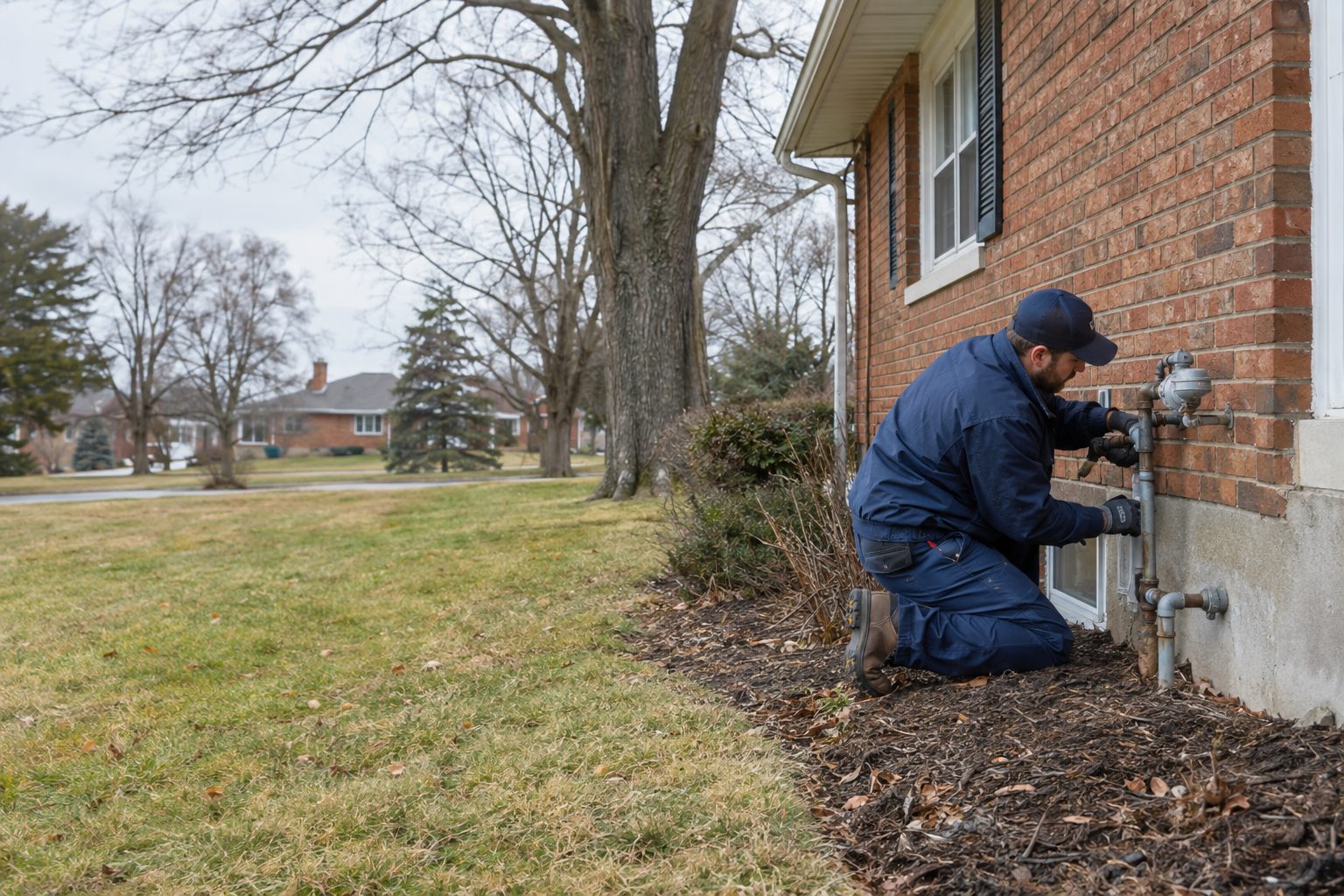
A leak, backed-up drain, or water heater problem can interrupt the day fast. Tell us through the quote form what is happening at your College Hill home to connect with licensed plumbers.
Request a QuoteIn College Hill, plumbing troubles might involve anything from a dripping tap to a drain that repeatedly backs up. A plumber in the area can evaluate the symptoms, identify what may need attention, and go over the work before beginning. Homeowners can use this referral website to locate licensed plumbers in their area. Describe the issue once to request a quote. Include details such as where you see water, when a drain slows, or whether the issue has happened before. A plumbing professional who knows the area may use those details to choose what to check.
A single clogged sink does not always point to a larger problem, but repeated backups deserve a closer look. A leak that develops after rainfall or a water heater that stops delivering consistently hot water also warrants attention. Describe any changes you have noticed, including sounds, odors, damp areas, or affected fixtures. A plumber can use that information to decide whether the next step is a straightforward repair or more investigation. The quote form is a practical way to share the details and request service options for your home.
College Hill is part of Cincinnati, Ohio, where cold winter weather can put exposed plumbing at risk and basements can reveal drain trouble early. Homes also vary in age, layout, and previous repairs, so the location of a pipe matters as much as the visible symptom. A licensed plumber can inspect the problem area, go over repair options with you, and explain which items the estimate includes. Whether you are dealing with a water heater, worn piping, a stubborn drain, or sewer concerns, give a clear description through the form to get the conversation started.
College Hill has a mix of home styles, including older houses and postwar-era homes with basements. In older properties, plumbing materials and past updates can differ from one room to another, so a repair may involve more than the fixture that first showed a problem. Basement drains and floor drains are worth watching after heavy rain or during a backup. If water backs up again, note when it occurs and which fixtures are involved. A plumber can use that pattern to judge whether the trouble is confined to one drain or lies farther along the line.
Northern Cincinnati winters can bring hard freezes, making pipes near outside walls, crawl spaces, or other cold areas vulnerable. Report a sudden water outage or a damp patch that appears after a cold snap promptly in the quote form. Older sewer laterals are also a local concern. If drain issues keep returning, an inspection may be more useful than clearing the line again. The clay-heavy ground common around Cincinnati can also shift with changing moisture, which may affect buried lines over time. Share any history of backups, slow drains, or unusual odors so the plumber has useful context.
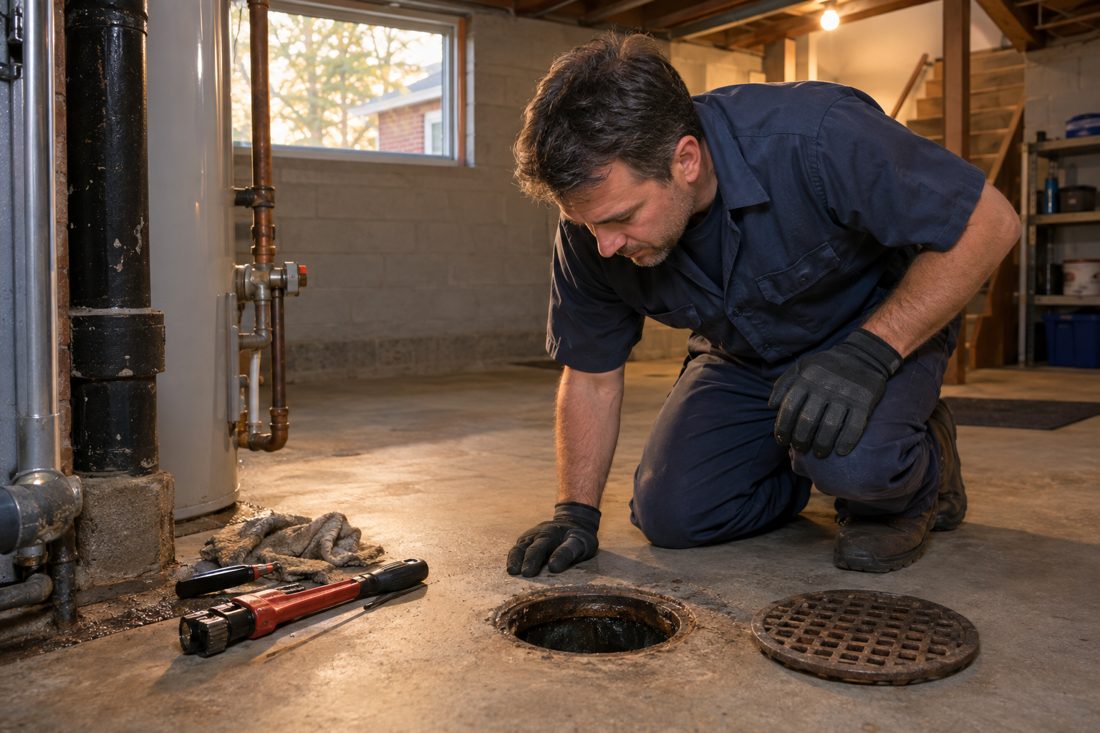
You might find a leak beneath a sink, beside a toilet, by the water heater, or in the form of a wet basement spot. Describe where you found moisture and whether it is ongoing. A plumber can locate the source, outline repair options, and fix connections that are damaged or worn.
Slow drainage in several rooms or a backup that returns after the line is cleared could indicate an issue beyond one fixture. A plumber can work to clear a stubborn blockage and recommend further investigation when symptoms persist. A camera inspection of the sewer can reveal where a problem is and what condition the line is in.
Unsteady hot water, water around the tank, or unusual performance may mean the water heater needs service. A plumber can check the water heater and review repair and replacement possibilities, including tank and tankless models. Share the heater's location and the symptoms you have noticed.
Dripping faucets, unreliable toilets, and aging supply pipes can waste water or cause damage if left unresolved. A plumber can update fixtures, replace worn sections of piping, and explain whether additional work is advisable. Mention any recent repairs and the rooms where problems occur.
Your price will vary based on the issue, the pipe or fixture's location, and the amount of work required to access it. A standard service appointment involving a minor repair generally runs $150 to $450. Clearing the main drain generally costs $200 to $600. Having a camera check the line may add $150 to $350. A new 40- to 50-gallon tank-style water heater typically costs $1,500 to $3,500 to install. A tankless unit installation often falls between $3,000 and $6,500. A small, localized sewer fix may be about $1,500; a full line replacement may reach $10,000 or more. Ask for a written scope covering labor, materials, cleanup, and any inspection.
A clog in a smaller branch pipe or trouble farther along the main drain or sewer lateral can cause a backup. Symptoms that recur, particularly across several fixtures, may require a closer look than a clog that occurs once. Note which drains are involved and when the backup occurs before requesting a quote.
Yes. Pipes in exposed or poorly protected areas can be vulnerable during a freeze, particularly near outside walls or in unheated spaces. After cold weather, describe any abrupt water loss, leak, or damp area in the quote form. Tell the plumber where the issue is and what has changed; that information can support an evaluation.
Consider asking when drain backups keep returning, several drains are slow, or clearing the line has not solved the symptoms. An inspection can help identify where trouble is occurring and inform the repair scope. Ask whether the proposed estimate includes the camera inspection and what section of the line it covers.
When asking for an estimate, describe the problem to a licensed plumber, say where it happens, and note any recent changes.