
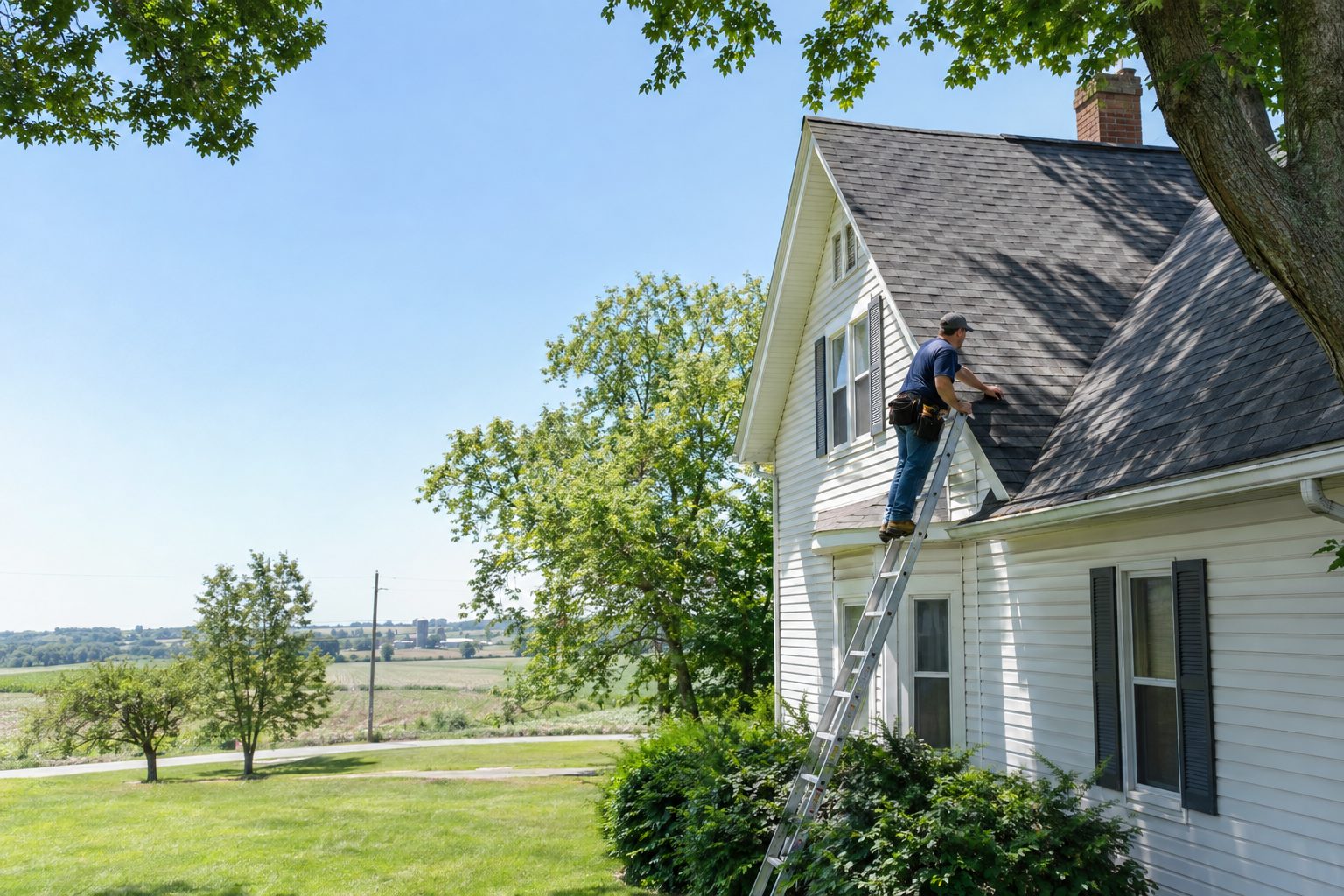
Marion homeowners dealing with wind-raised shingles or a leak after a thaw can use this page to find contractors for estimates and repairs.
Call now Get a roofing quoteA roof in Marion has to stand up to changing Iowa weather: strong winds, hail, heavy rain, snow, and stretches of freezing temperatures. Ground-level views may not reveal small issues, particularly after a storm or while snow remains on the roof. A professional inspection can help identify missing shingles, lifted flashing, damaged vents, or signs that water is getting beneath the roofing. Use this page to find a roofing contractor for an inspection, repair, or replacement estimate, and ask what the visit and written scope will include.
Marion includes both long-established homes around its older central streets and newer houses in expanding residential neighborhoods. Because roof layouts and materials differ by property, the contractor should inspect your roof instead of assuming it needs the same repair as a neighbor’s. Age, slope, previous repairs, and the number of existing layers can all affect the work. When weighing estimates, check for specific information about materials, tear-off, flashing, ventilation, and the process for unexpected decking damage.
Storm damage does not always show up as a dramatic hole in the roof. Wind can loosen shingles or ridge components, while hail may leave marks that need a closer assessment. Water can travel from an opening before staining a ceiling, making the source harder to identify. If you notice a new leak or suspect storm damage, note the visible signs from a safe place and arrange an inspection. A local roofing crew can describe the roof’s condition and present options without treating every problem as a reason for complete replacement.
Marion’s housing ranges from older homes with established rooflines and past repair layers to newer homes with larger roof areas, valleys, and multiple penetrations. Older roofs may have aging flashing around chimneys or skylights, while complex roof shapes can create more places for water and debris to collect. Mature trees near some homes can drop branches and leaves onto shingles and into gutters. A roofer should inspect the whole system, including edges and drainage, and explain whether the concern is limited to one area or points to broader wear.
Iowa’s weather puts roofs through repeated wet, freezing, and thawing conditions. Uneven heat loss through a roof can melt snow, which may freeze again at the eaves and create ice dams. That can push water beneath roofing materials and show up indoors as a stain or peeling paint. Hail and strong winds can also affect shingles, vents, and flashing. Homeowners in Marion and nearby Hiawatha still remember the 2020 derecho, and later storms can cause damage too. After severe weather, look from the ground and leave roof access to a professional.
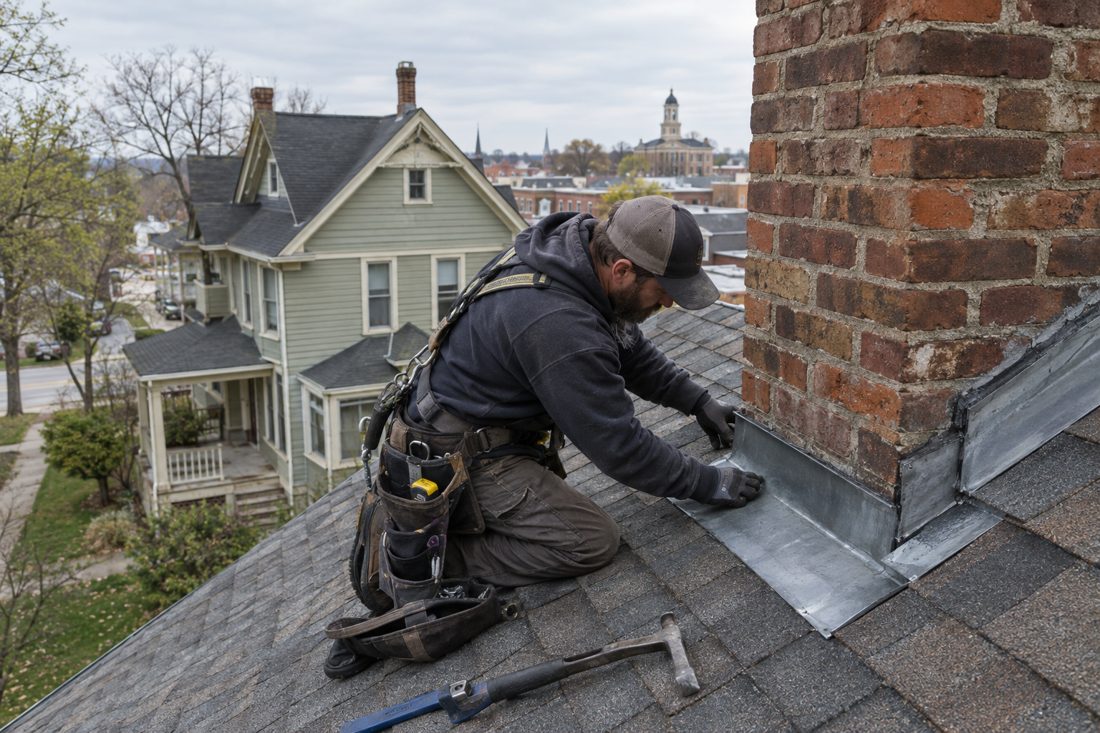
A roofer can look for visible wear or storm damage on shingles, flashing, vents, valleys, and edges. Request photos and a clear explanation of urgent repairs, items to watch, and whether the inspection covers the attic or drainage system.
After wind or hail, a roofer can assess missing, lifted, or bruised shingles and check nearby roof components. The contractor can describe recommended repairs and provide a written estimate. For a possible insurance claim, compare the documented damage with your policy and the insurer’s assessment.
When repairs no longer make sense, get a replacement estimate that spells out tear-off, underlayment, shingle type, flashing, ventilation, and cleanup. Before the job starts, talk through the roof pitch, access, and possible decking issues. Clear scope details make it easier to compare proposals for your Marion home.
A ceiling stain may appear well away from the roof opening, which can make locating the source a careful process. A roofer can examine penetrations, valleys, flashing, and nearby materials, then describe the repair. Find out if the estimate addresses just the visible leak or damage related to it, too.
Replacing a typical Marion home’s roof with architectural asphalt shingles usually costs $9,000 to $18,000. The estimate will reflect the roof’s size and pitch, old-layer removal, access, detail work, and any decking repairs. Choosing Class 4 impact-resistant shingles may add about 10 to 25 percent to replacement costs, though some insurers may offer a policy discount based on the carrier and coverage. A small repair often costs $300 to $1,200, depending on the leak’s cause and the amount of work required. Get written details on removal, materials, and any potential added work. For storm-related claims, your policy and insurer determine coverage and which repairs are approved.
If water is getting inside, move belongings to a safe place and catch drips if you can do so safely. Take photos of interior damage and arrange a roofing inspection. Stay off any roof that is wet, icy, or damaged. A contractor can trace the source, explain the repair, and note whether nearby materials may also need attention.
Yes. Hail can affect shingles or roof components without leaving an obvious opening, and signs may be difficult to judge from below. A roofer can inspect the roof and document the conditions visible to them. Do not assume that a roof needs replacement based only on a storm; ask for an explanation of findings and repair options.
Coverage depends on your policy, the damage, and the insurer’s review. For covered work, homeowners typically pay the deductible, and the insurer pays the remaining approved amount. Before work begins, obtain the contractor’s written findings and compare them with the adjuster’s records. Ask the insurer how to handle any disputed or unapproved work.
Explain the roof problem to the contractor, mention any recent storm or leak, and describe the help you want so they can review your request.