
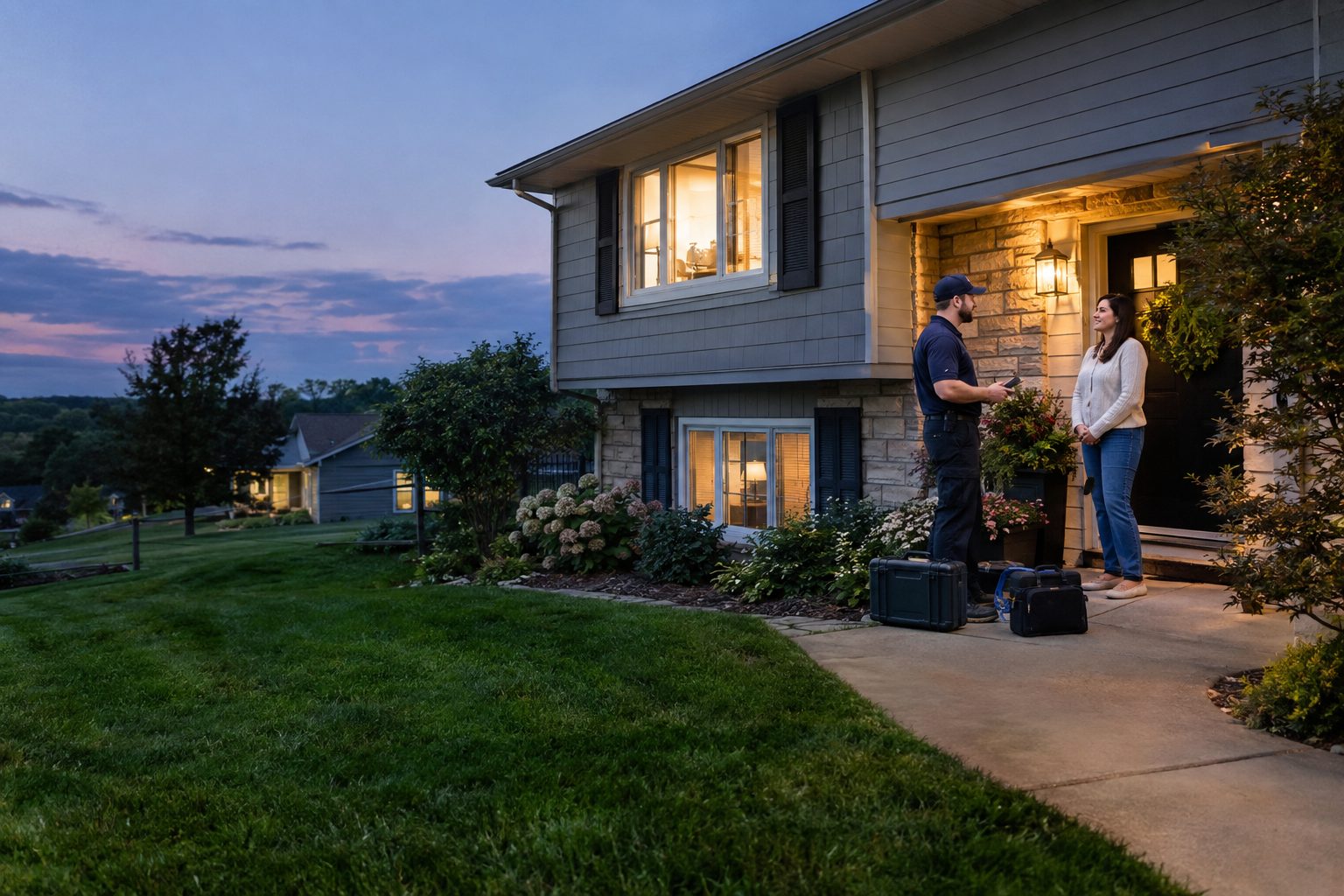
Water in a finished basement or a ceiling stain after a storm can turn into a bigger problem if it sits. Connect with local water damage pros serving Kansas City, MO, for extraction, drying, and a clear plan for what comes next.
Call now Request helpA wet floor is only part of the picture. Water can travel under flooring, behind baseboards, and into wall cavities before the surface looks badly damaged. In Northland Kansas City homes, finished basements add another concern: a sump pump failure, frozen pipe, or hard spring rain can leave water in rooms where carpet, drywall, and stored belongings absorb it quickly. A nearby restoration team can inspect the damage, pump out pooled water, and determine how far dampness has traveled.
What to do depends on the water’s source, how long it has been present, and which building materials it has reached. A leak from a clean-water supply pipe needs a different response from a backed-up drain or floodwater coming in from outdoors. If conditions are safe, stop the water at its source and keep everyone clear of wet electrical equipment. Then arrange an inspection. Local pros can explain what needs extraction, what may be dried in place, and which materials may need removal.
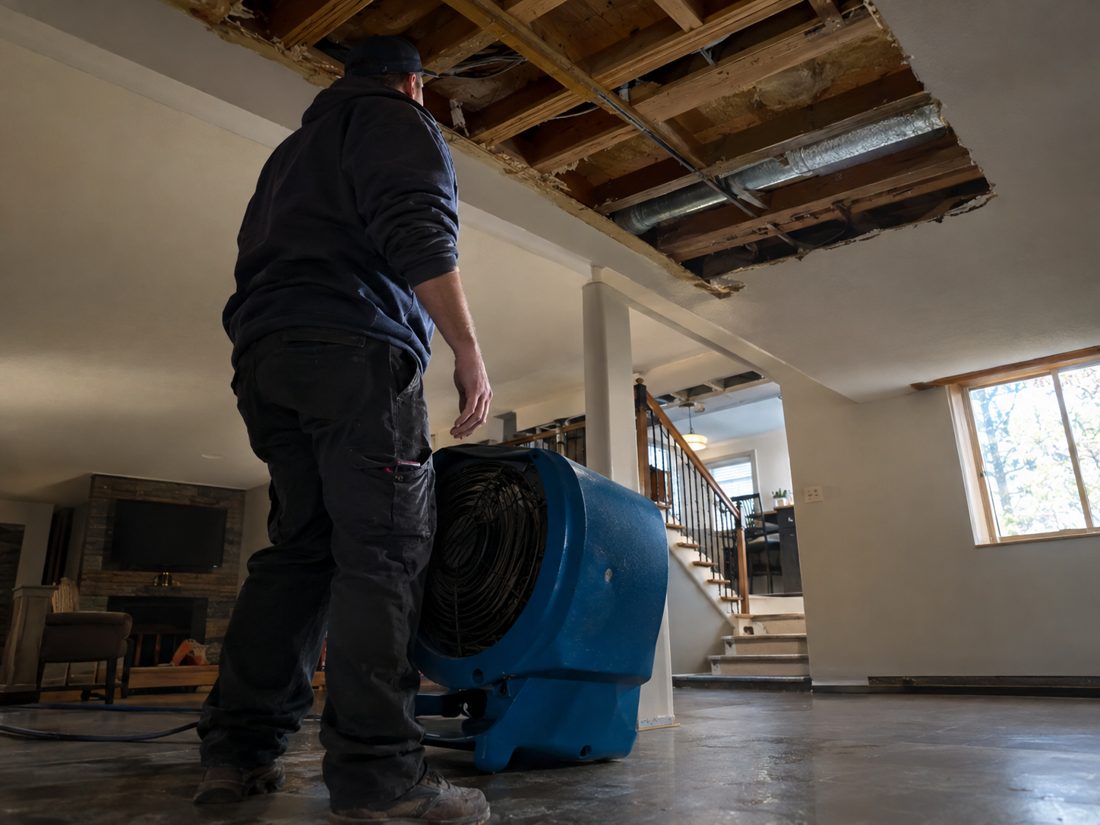
Drying is more than setting out a fan. Pros use moisture readings to identify damp areas that are not obvious, then place drying equipment where it can move air through affected spaces. They check progress as the work continues and adjust the setup when readings show moisture remains. That process matters in basements, where enclosed rooms, closets, and spaces behind finished walls can hold water after the visible puddles are gone.
Kansas City homeowners can use this referral service to find area companies that restore homes damaged by water. Tell the crew what occurred, which areas are affected, and whether the source has been stopped so it can plan for its visit. Homes in ZIP code 64152 and nearby parts of the Northland may have different access and drying needs, so give a clear description and ask what the first assessment includes.

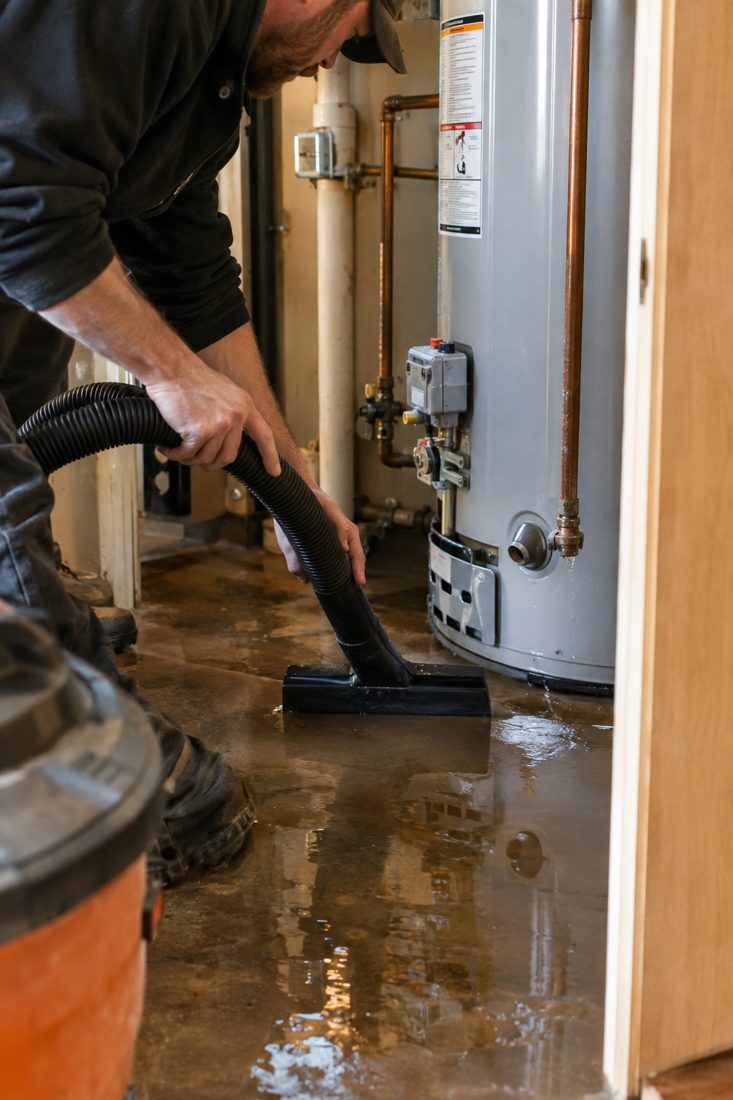
When water is pooled across a basement, laundry room, or other interior space, extraction is the first step toward drying. Pros remove accessible water with suitable equipment, then check nearby flooring and lower walls for moisture. The sooner standing water is addressed, the less time it has to soak into porous materials and spread beyond the original leak.
After extraction, a local crew can position air movers and dehumidification equipment to dry affected building materials. Moisture readings help show where drying is needed and whether conditions are improving. The crew can explain which areas remain damp and what needs to happen before equipment is removed, rather than relying only on how dry a surface feels.
A split supply line, failed hose, or leaking appliance can send water into cabinets, flooring, and adjacent rooms. Pros can address the resulting water damage after the source is shut off or repaired. Tell them what appliance or pipe leaked, when you noticed it, and whether water reached a basement ceiling or the room below.
Rain may reveal a roof leak through a ceiling mark, blistered paint, or a wet spot. Moisture may move through framing and appear elsewhere, meaning the visible spot may not show the full extent of the damage. Restoration pros can assess interior moisture and document damage; the roof leak itself may need a separate repair professional.
Wet materials that stay damp can develop conditions that support mold growth. Prompt extraction and thorough drying help reduce that risk, while an inspection can identify areas that need closer attention. If mold is already present, ask the local pro what cleanup or removal is appropriate and whether affected materials need to be isolated or taken out.
Clear records can help you explain the loss to your insurance company. Pros may document visible damage, affected rooms, moisture readings, and the work performed. Keep your own photos and notes, too, and ask for a written estimate. Your policy terms and the source of the water determine coverage, so check with your insurer about any decisions.
Do not approach water around outlets, appliances, or an electrical panel; call the proper utility or emergency service before going in. Do not touch wet electrical equipment.
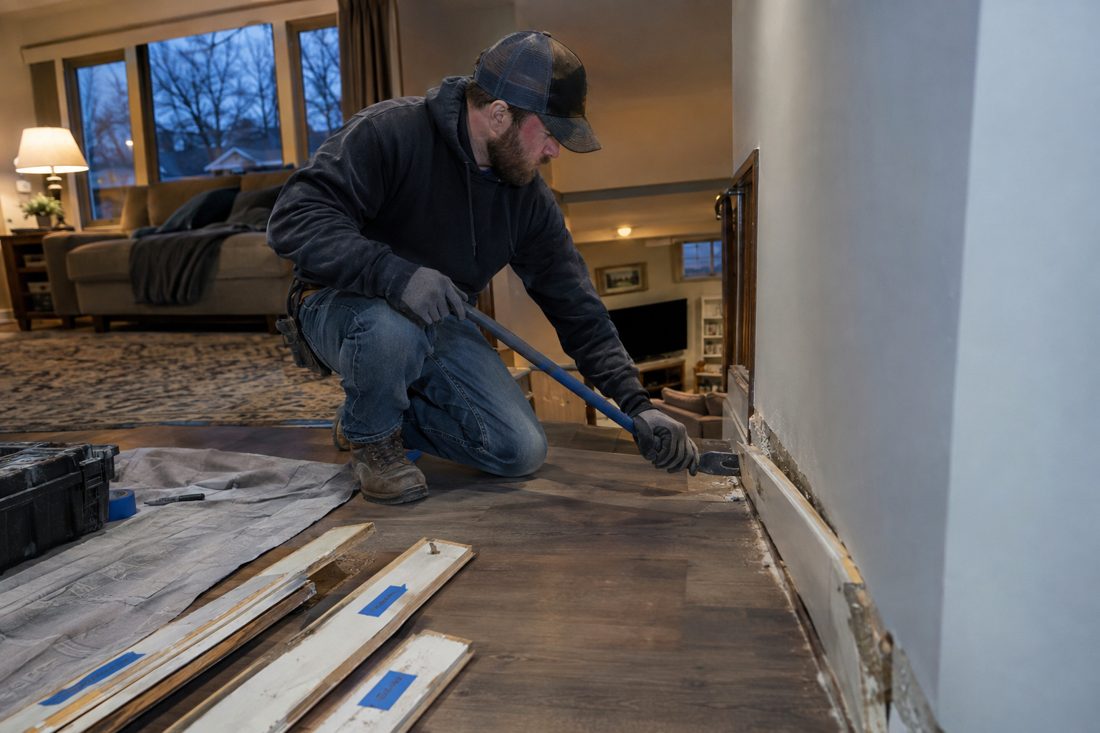

When water stays in a single room, extraction and drying often run around $1,200 to $4,500. Costs depend on how much water is involved, which materials it reached, and how long the area takes to dry. A wet utility-room floor is not the same job as water that has reached carpet, wall cavities, and stored items. A written estimate should describe the affected areas and the work included so you can compare it with what the crew finds during inspection.
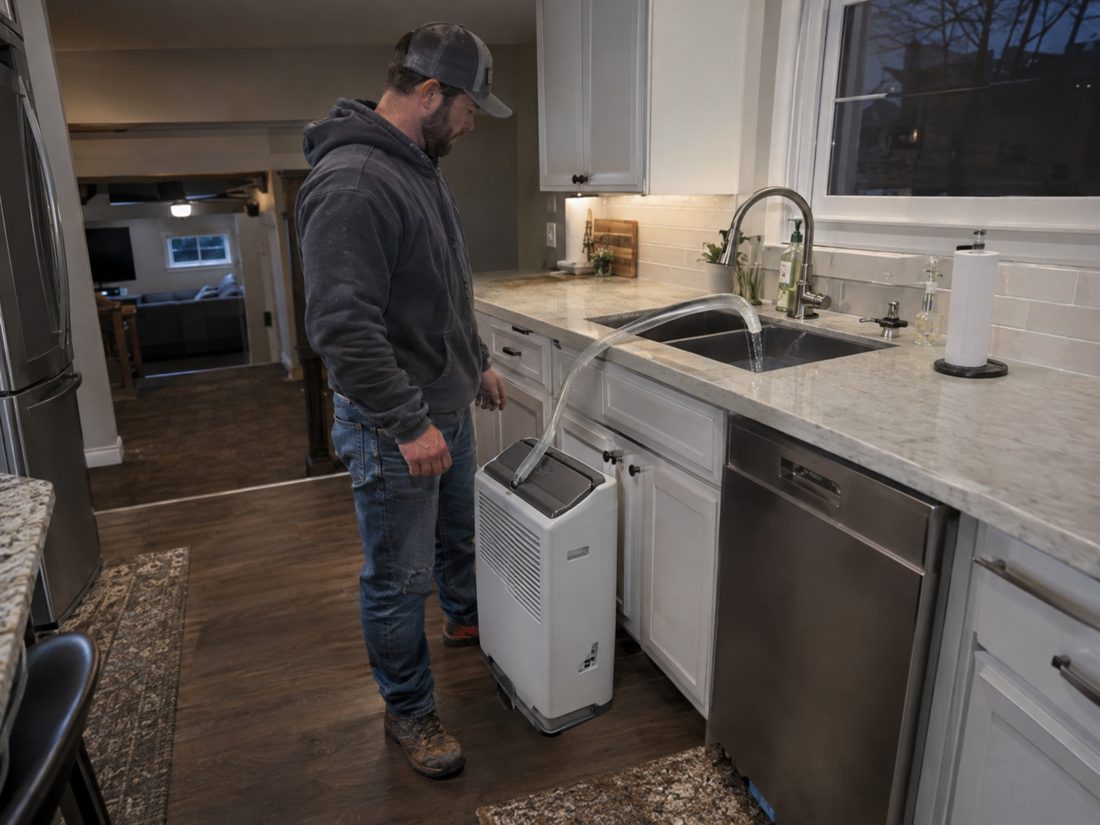
If damage affects multiple rooms, requires flooring removal, or involves category 2 or 3 water, restoration may cost $5,000 to $15,000 or more; rebuilding is billed separately. Removal of damaged materials and reconstruction can add work beyond extraction and drying. Ask which tasks are part of the restoration estimate and which would be handled later as rebuilding. Use these figures as broad estimates rather than a home-specific price; the actual work depends on the damage.
Homeowners insurance may cover sudden, accidental damage, such as a broken supply line, but gradual leaks and flooding from outside may be excluded. Policy terms and circumstances matter, so check directly with your insurer. Before work gets underway, pictures, a written cost estimate, and moisture records can help explain the planned repairs and support a discussion about coverage. Keep copies of messages, receipts, and any records of when the damage was first noticed.
Through the referral service, homeowners can reach nearby companies that remove water and dry buildings. Share the source and affected rooms so the crew can assess the right kind of response instead of guessing from a brief description.
You can explain what happened and ask what the first visit includes. A local pro should be able to discuss the assessment, expected drying work, and written estimate in plain language before you decide how to proceed.
Finished basements, sump pumps, and seasonal weather can shape a water loss here. Mention whether the water followed heavy rain, a frozen pipe, or a pump problem so the crew understands the home's context.
Spring rain can put pressure on basement drainage and reveal problems around a sump pump, window well, or foundation opening. If water appears, note whether it is still coming in and where it first showed up. Do not assume a dry patch of carpet means the wall behind it is dry. Only move small items if conditions are safe, and take pictures of the room before substantial cleanup begins. A local pro can check moisture beyond the visible puddle and explain what needs to be dried.
Cold snaps can freeze exposed plumbing, especially in less-heated areas such as a garage, crawl space, or utility room. If a pipe breaks, shut off the water supply when safe and avoid using a fixture connected to the damaged line. After the leak is stopped, mention how long water may have been running and whether it reached another floor. Those details help the crew look for water in ceilings and walls, not just the room where the pipe failed.
For a sump pump issue, make a note of whether the pump lost power, stopped working, or could not keep up with incoming water. Keep clear of water near cords and outlets, and do not enter a flooded area if electrical hazards may be present. If the pump is operating again, that does not tell you whether the floor and lower walls have dried. A moisture assessment can help determine which materials are affected and whether drying equipment is needed.
Keep records from the start: take photos of the water and damaged belongings, write down when you noticed the problem, and save invoices or repair notes. If you plan to file an insurance claim, contact your insurer and ask about required documentation and approval steps. Do not discard damaged materials before checking whether they should be documented. A detailed estimate from the restoration company, along with moisture readings, helps clarify the planned repairs and gives you information to review with your insurer.
Local pros may also serve nearby Parkville, Platte Woods, Riverside, Weatherby Lake, and Northmoor. Give the referral service your address and the rooms affected so it can find a company that serves your area.
Once it is safe, get pooled water addressed promptly. Water can soak into carpet, flooring, and drywall while it sits, and hidden moisture may remain after the surface appears dry. If electrical hazards are present, stay out of the area and get the hazard addressed first. A local pro can assess the water and recommend extraction and drying.
Sometimes, but it depends on the source of the water, how long the materials were wet, and their condition. A crew can inspect the carpet, padding, drywall, and nearby areas to determine whether drying in place is reasonable or removal is needed. Ask for the reason behind any recommended removal and how the affected area will be documented.
Many sudden and accidental losses, including some burst supply-line leaks, are covered, but policies differ. Typical homeowners insurance policies often do not cover slow leaks or flooding that originates outdoors. The cause and policy language matter, so contact your insurer to confirm. Keep photos, the written estimate, and moisture documentation for your claim discussion.
If safe, stop the water source, keep people and pets away from hazards, and take photos before moving damaged items. Avoid touching wet electrical equipment or entering standing water if power may be present. Make a short note of when the leak began and what caused it, if known. Do not delay necessary safety steps to collect belongings.
Restoration work focuses on water removal, drying, and addressing affected materials. A plumber may be needed for a broken pipe, while a roofer may need to repair the source of a ceiling leak. Ask the local pro what is included in the estimate and whether another trade should handle the repair before restoration work proceeds.
A dry-feeling surface alone may not show whether moisture remains inside flooring or walls. Pros can use moisture readings to track conditions and explain whether affected materials have reached suitable drying levels. Ask how often readings will be taken and what documentation you will receive. That record can also help you understand the work completed.
Share your Kansas City address, the source of the water if known, and which rooms are affected. A referral can connect you with a qualified contractor nearby to discuss an inspection, drying work, and the next steps.
Prefer to talk? Tap to call.