
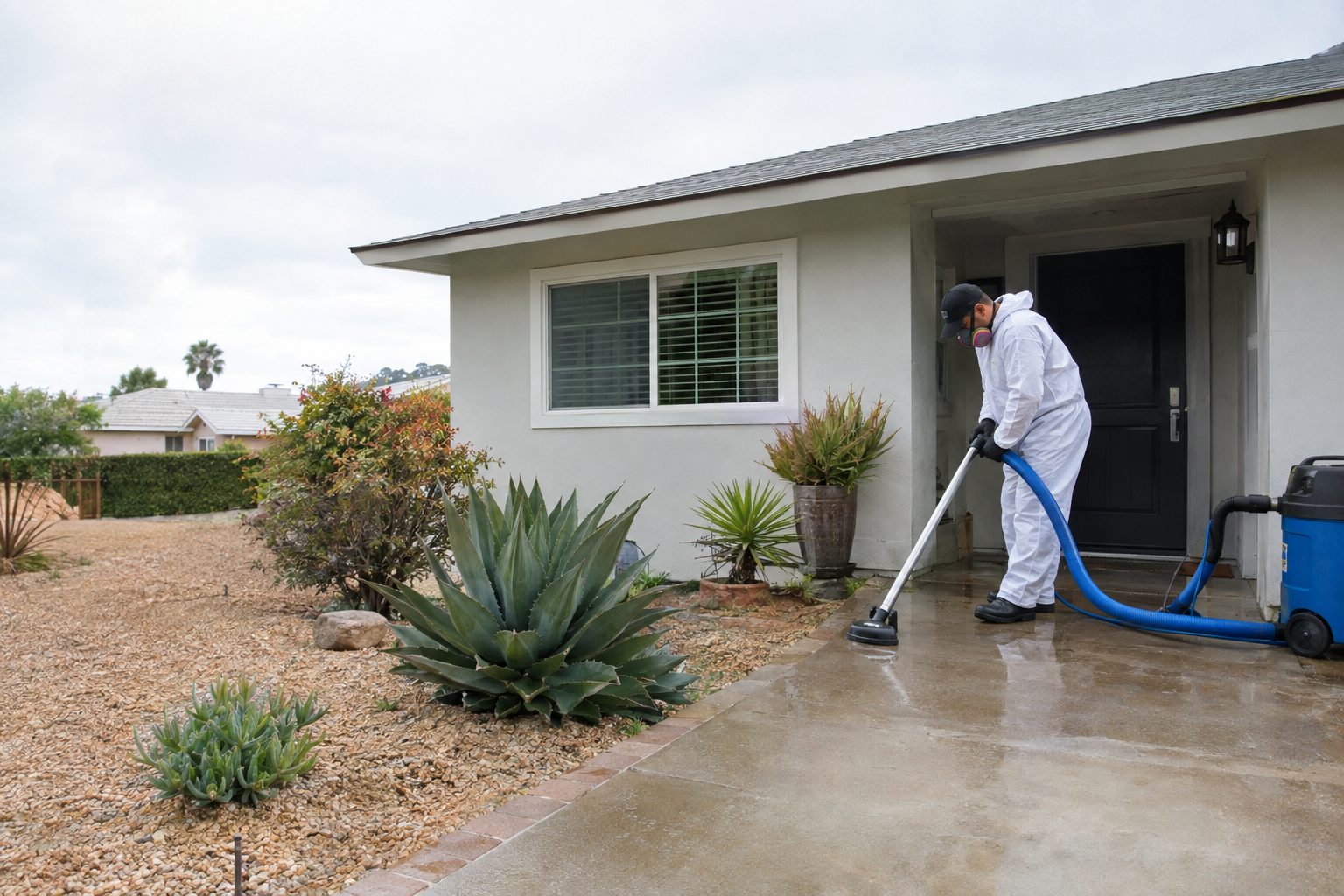
The leak may affect areas beyond the visible mark. Find help in Lawndale, CA, with water extraction, drying, cleanup, and restoration planning for affected homes.
Call now Request a QuoteA burst water line, faulty water heater, appliance hose leak, or roof leak can all cause water damage. In Lawndale, CA, a ceiling spot or wet floor can hide damage that is not yet visible. Water may travel under floors, through wall spaces, or along cabinet edges before surface damage becomes obvious. A restoration firm in the area can evaluate the damage, extract pooled water, and identify materials that need drying or removal.
Safely shutting off the source should come first. Shut off the fixture or supply valve when possible, and avoid entering areas where water is near electrical equipment. Then document the damage with photos and note when you first noticed it. A technician can use moisture meters to assess floors, walls, and other construction materials rather than relying on touch alone. Prompt action may reduce additional damage, though the needed work varies with the source and the water's path.
Lawndale residents can use this referral platform to find companies that perform water removal, drying, and restoration. Depending on the loss, work may cover cleanup from a pipe or appliance leak, moisture testing, mold prevention, and documentation. Some projects also need support coordinating ceiling or roof leak repairs, while the actual roof or plumbing repair may be handled separately. In the quote form, describe what happened, identify the affected rooms, and indicate whether water is still leaking. These details can help a provider assess your needs.
Lawndale has a mix of compact residential streets and established homes, including houses built in the postwar period. In older homes, original or aging plumbing connections, water heater lines, and appliance hoses can become sources of indoor leaks. Slab foundations are common in many South Bay houses, so leaks beneath the floor can escape notice when no visible water collects. Warm or damp flooring, unexplained moisture, or a water bill change can be clues worth checking. A restoration crew can look for moisture patterns and help identify which materials need attention.
The coastal South Bay usually has mild weather, though seasonal storms can reveal roof weaknesses, deteriorated flashing, or drainage problems. A stain on the ceiling that appears after rain can signal an opening above, while wet areas by a kitchen or laundry space may stem from plumbing or an appliance. Lawndale’s close-set homes and busy daily routines can make it important to keep cleanup contained and communicate clearly about access, noise, and drying equipment. A professional review can clarify the extent of damage when water has spread into multiple rooms.
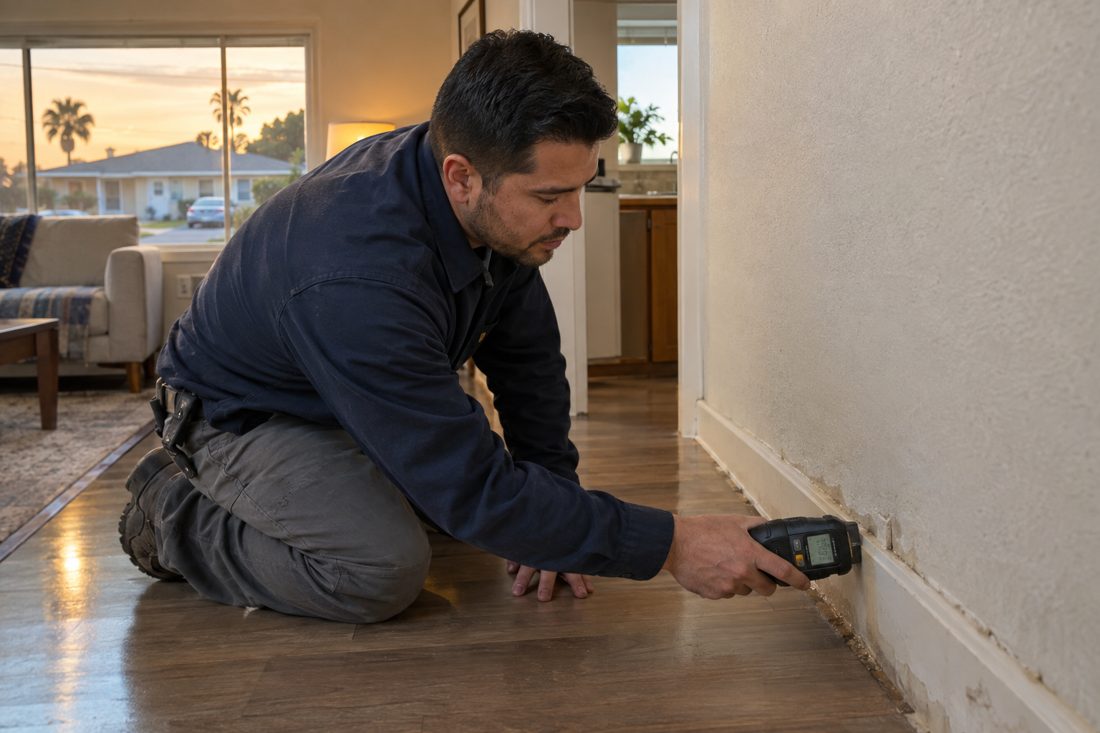
Water on carpet or hard flooring may reach adjoining materials and increase the cleanup required. Restoration providers can extract standing water, remove wet debris when needed, and check adjoining areas. Next steps depend on the water volume, where it came from, and which materials were affected.
After extraction, affected materials may need controlled drying and follow-up moisture checks. Crews can place drying equipment and monitor areas such as flooring, baseboards, and wall cavities. The goal is to understand whether materials are drying as expected and whether removal or additional treatment should be considered.
Water from a failed pipe, appliance, water heater, or roof can require cleanup once the leak is stopped. Providers can remove wet materials and dry affected areas. For roof or plumbing repairs, ask whether the restoration company coordinates that work or whether you will need a separate repair contractor.
Damp materials left untreated can develop further problems, so prompt drying and a clear assessment matter. Restoration providers may offer mold prevention or cleanup when appropriate, along with photos, moisture readings, and itemized job notes. These records can help explain the work completed and support discussions with your insurer.
If water damage is minor and stays within one room, extraction plus drying usually costs between $1,200 and $4,500. Cost is shaped by the wet materials, the quantity of water, and how long those materials stayed wet. Even a small-looking spill can mean extra work when water has seeped under a floor or inside a wall. Damage spanning multiple rooms, requiring flooring removal, or involving category 2 or 3 water can bring restoration costs to $5,000 to $15,000 or more; reconstruction is not included. Ask for an itemized written quote that lists cleanup and drying separately from any repair work done later. Moisture documentation can support the recommended work scope, but policy terms and the claim determine coverage.
A soft spot, raised flooring, damp baseboards, or a musty odor can indicate moisture beyond the original spill, but visible signs do not show the full extent. In Lawndale homes with slab foundations, some leaks may be difficult to locate by sight alone. A restoration provider can check moisture in nearby materials and explain what areas may need drying.
If it is safe, turn off the water supply and move portable belongings away from the damp area. You can blot or remove small amounts of water, but do not use electrical equipment around standing water or enter an unsafe space. Take photos before moving damaged items. A provider can advise what cleanup is appropriate once the source and affected materials are assessed.
Not always. Water restoration usually focuses on extraction, drying, removal of damaged materials, and cleanup. The plumbing or roof repair that stopped the leak may be a separate service, though some providers can help coordinate it. Ask for the scope in writing so it is clear which work is included and what needs a separate contractor.
Explain what caused the water, which rooms were affected, and whether the leak has stopped so the provider can assess the job.